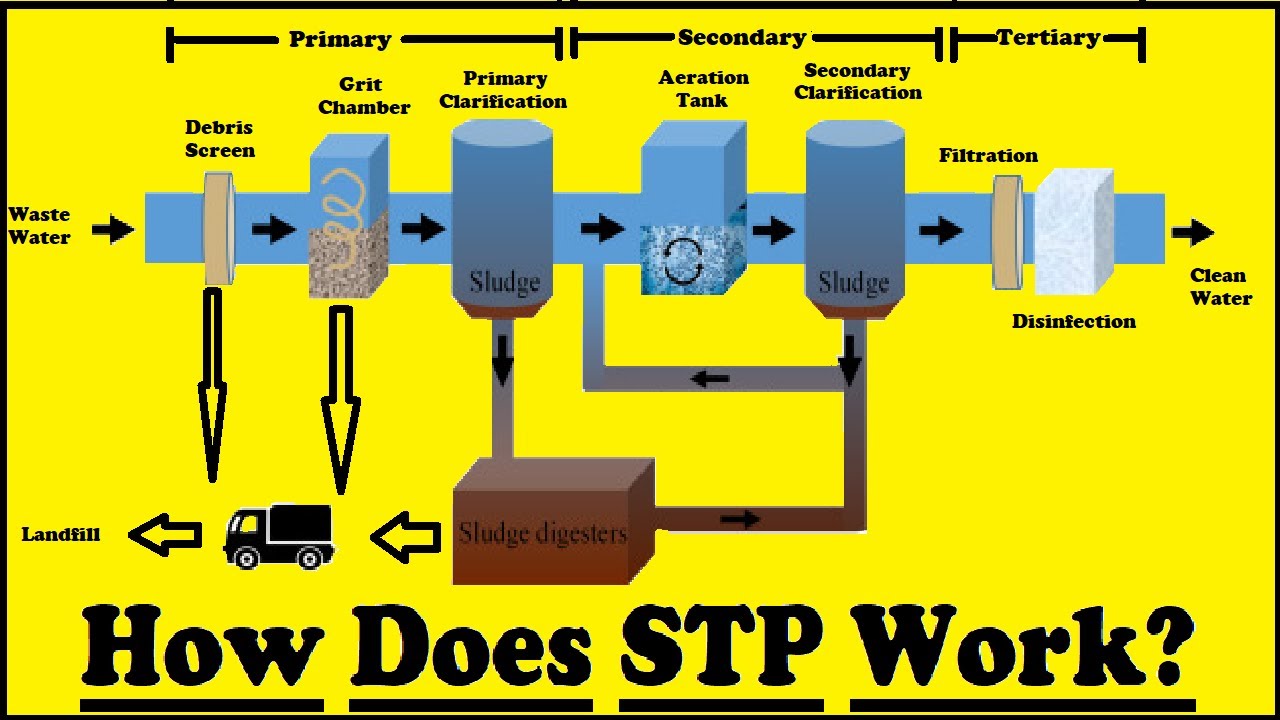
Preliminary treatment
Screening and grit removal help protect pumps and downstream equipment by taking out larger debris and inorganic solids.
Plan the right STP for your project, understand the treatment stages, and keep documentation, coordination and compliance moving in the right direction.
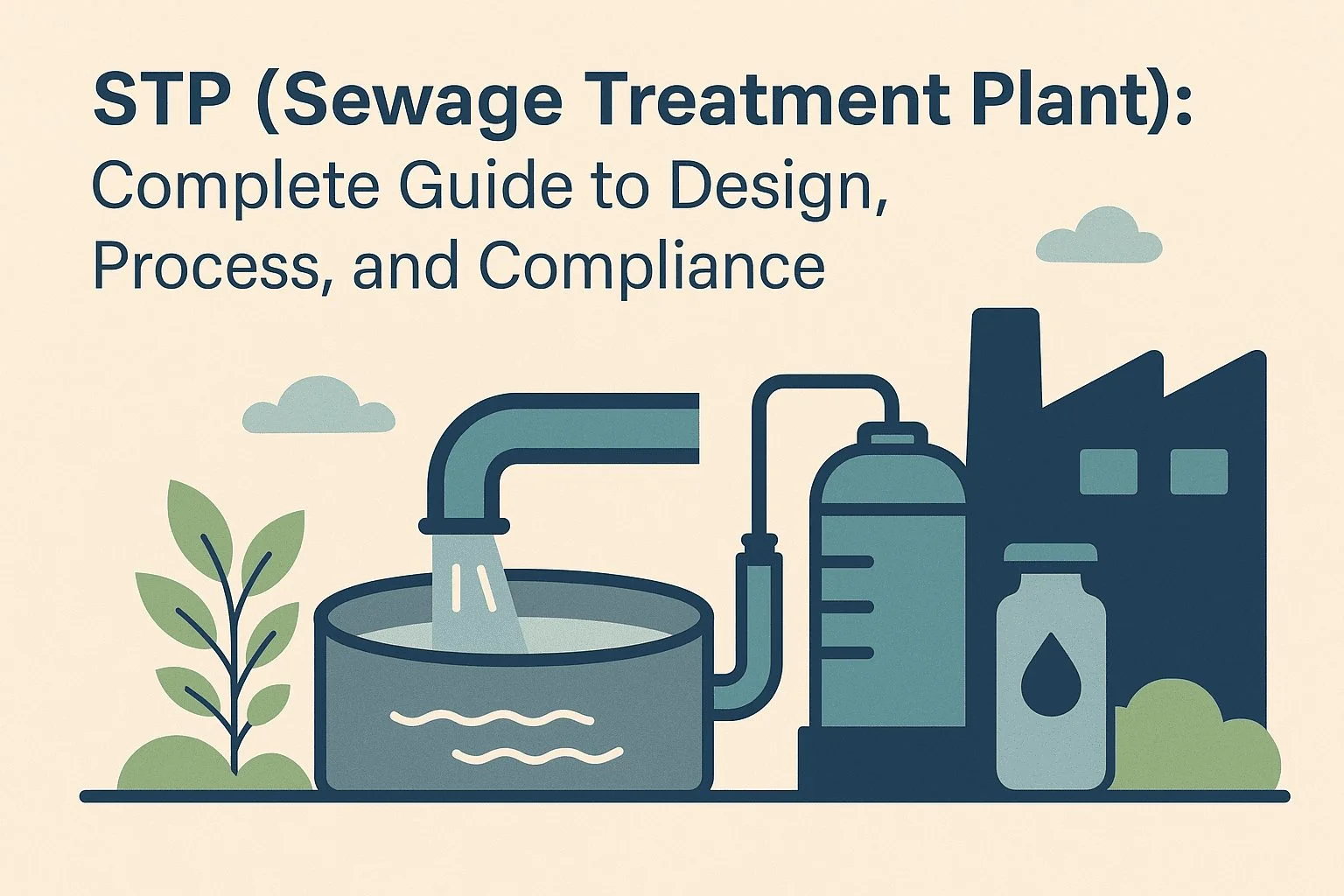
A Sewage Treatment Plant treats domestic sewage before the treated water is reused or discharged through an approved route. The treatment train can combine physical separation, biological treatment, polishing and disinfection, depending on the incoming sewage, required outlet quality and intended reuse.
For residential developments, commercial buildings, institutions, hotels and other projects, the STP should be planned as part of the overall water, drainage and utility system — not as an isolated equipment package.
The final configuration should be selected from the project's sewage quantity, space, power, operating needs, reuse plan and applicable requirements.
The exact process varies by application, but a typical plant moves through several treatment stages before the final reuse or discharge step.
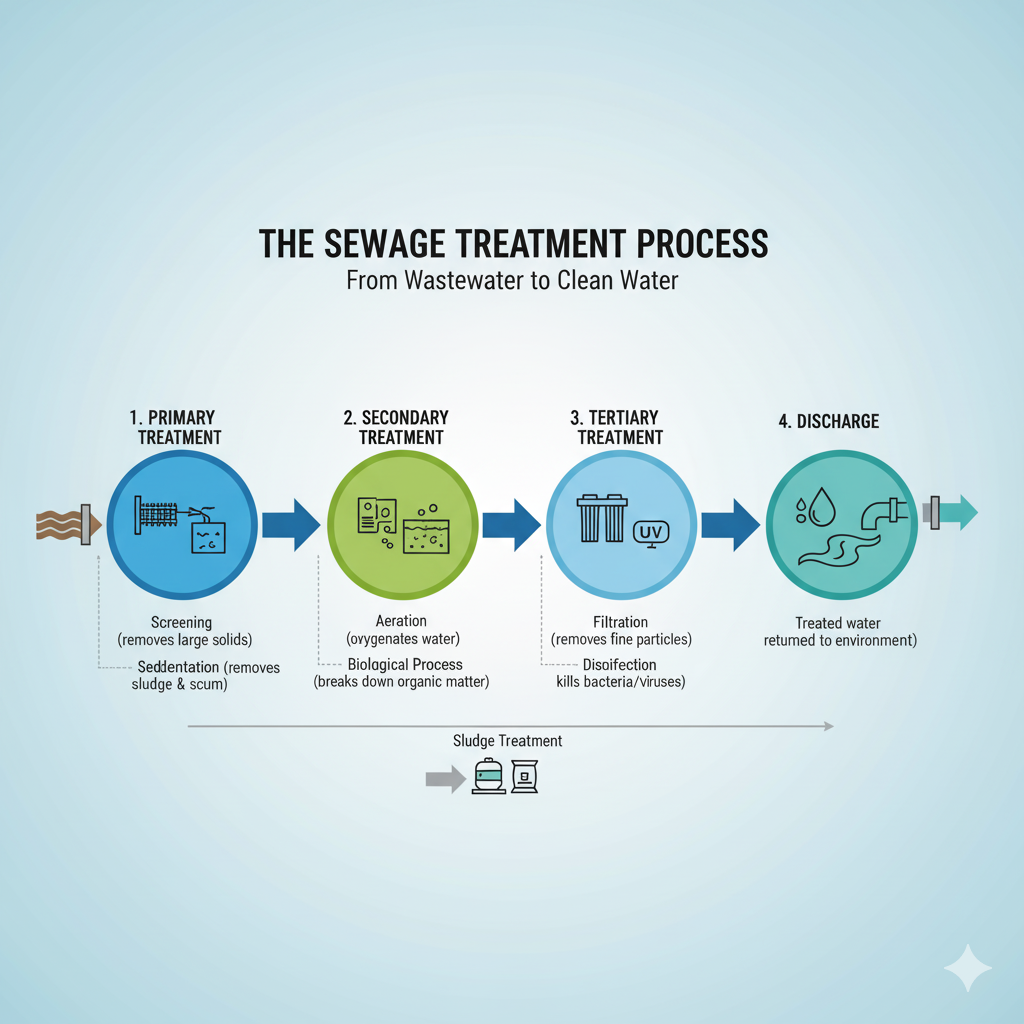
Screening and grit removal help protect pumps and downstream equipment by taking out larger debris and inorganic solids.
Settling or equivalent separation reduces suspended solids before the main biological stage.
Biological systems such as MBBR, SBR, ASP or MBR can be selected according to the required performance, footprint and operating strategy.
Filtration and disinfection can provide additional polishing and pathogen control where the intended reuse or discharge route requires it.
Sludge generated during treatment needs appropriate handling, dewatering and disposal or further processing.
Different treatment technologies have different footprints, operating characteristics and achievable effluent quality. Technology selection should therefore follow the project's actual load, space, reuse target and operating capability.
Understand occupancy, sewage generation, reuse needs, available space and project constraints.
Coordinate inputs for capacity, treatment flow, layout, utility requirements and project documentation.
Organise the technical and supporting documents required for the applicable project and approval workflow.
Bring together consultants, project teams, vendors and authorities where coordination is required.
Help track applicable conditions, records, testing requirements and follow-up activities.
Keep recurring documentation, renewals, reports and project communication organised after setup.
Performance depends on correct hydraulic and organic loading, suitable process selection, reliable aeration and pumping, proper disinfection, regular monitoring and disciplined operation.
For Maharashtra projects, MPCB consent conditions can require sewage treatment and specify operational or reuse requirements. The applicable conditions should be checked for the particular project rather than relying on a generic STP specification.
View MPCB consent informationPlan around occupancy, peak flow, space limitations, reuse and building utility systems.
Support treatment planning for offices, hotels, campuses, hospitals and similar developments.
Separate domestic sewage requirements from process effluent and coordinate the right treatment scope.
Tell us the project type, approximate occupancy or sewage quantity, location and current stage. We can help you identify the next steps.